For organisations with substantial property holdings, ageing assets create a challenge that extends well beyond routine maintenance. Lifecycle requirements emerge unevenly across buildings and building systems, creating a constantly changing profile of future expenditure, remediation risk and capital demand.
The strategic question is how effectively an organisation can understand these emerging liabilities, determine when intervention is justified and allocate capital between competing requirements.
Understanding the liability behind an ageing portfolio
The most significant challenge with ageing property is often not visible failure. It is the accumulation of future requirements.
Individual building elements approach the end of their useful lives at different times. Some may remain serviceable with planned maintenance, while others may require increasingly frequent intervention or eventual replacement.
For property owners, understanding this liability requires more than knowing when buildings were constructed. It requires visibility of condition, lifecycle position, emerging risk and likely intervention requirements across the portfolio.
This provides the basis for distinguishing assets that can continue under planned maintenance from those where a larger investment decision is approaching.
Knowing what is coming
A maintenance-led approach tends to focus on what needs attention today. Strategic asset management requires a broader view of what is likely to require investment next.
For a national portfolio, this means understanding where lifecycle and condition pressures are emerging and how they compete for available capital.
Portfolio-wide assessments can identify assets that warrant further investigation, highlight emerging liabilities and establish priorities for more detailed assessment.
This creates an important distinction between portfolio visibility and asset-level certainty.
At portfolio level, the organisation needs to understand where significant exposures are emerging. At asset level, it needs sufficient technical evidence to determine the appropriate intervention.
Deciding when to repair, remediate or replace
The difficult decision with ageing assets is often not whether something is deteriorating, but whether continued expenditure remains justified.
A short-term repair may extend an asset’s useful life. In other circumstances, repeated repairs may simply postpone replacement while increasing cumulative expenditure and operational disruption.
The decision should therefore consider remaining useful life, durability, consequences of failure, operational impact, future maintenance and the timing and scale of replacement expenditure.
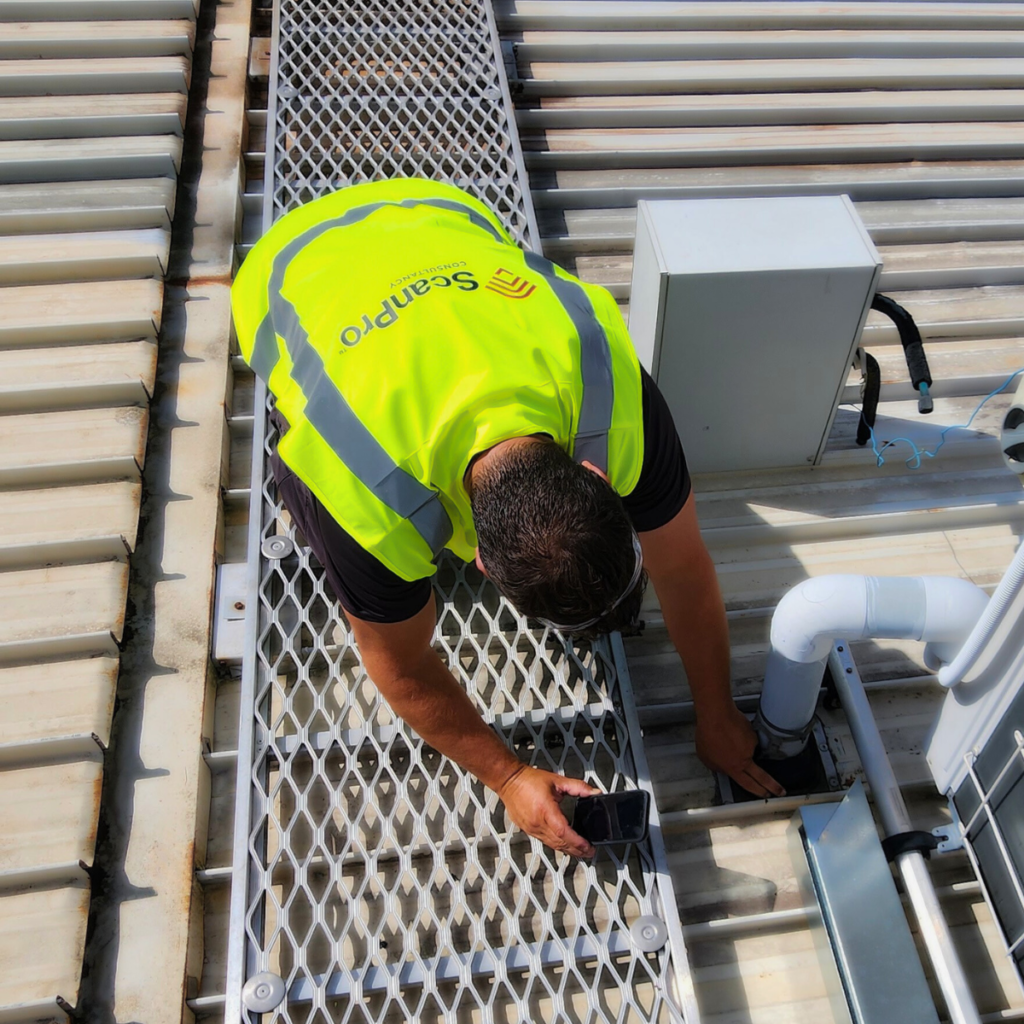
Independent detailed assessment can provide the evidence required to make these judgements.
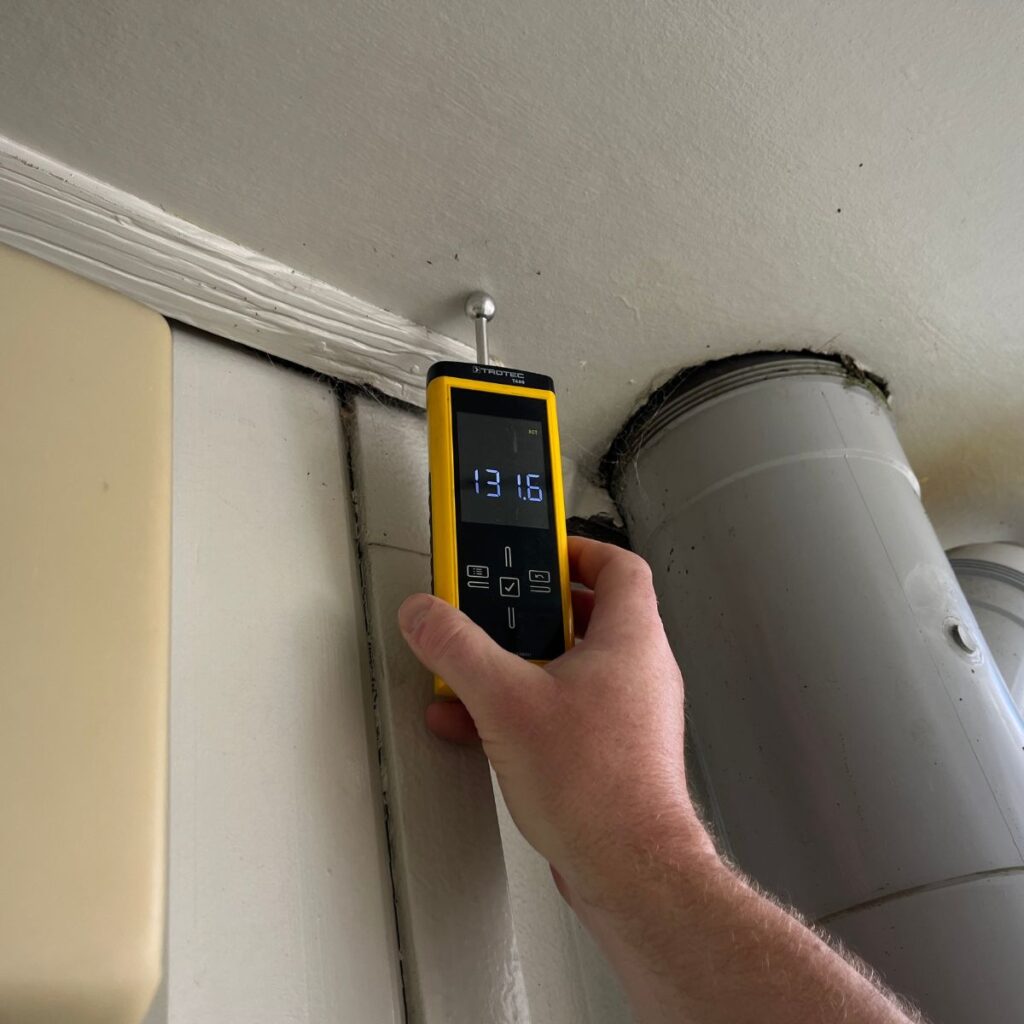
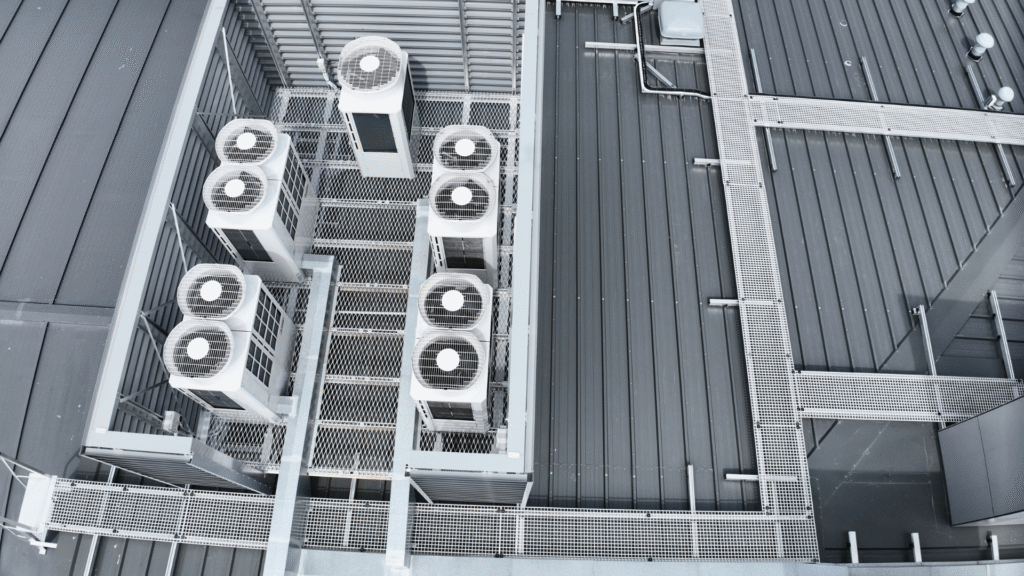
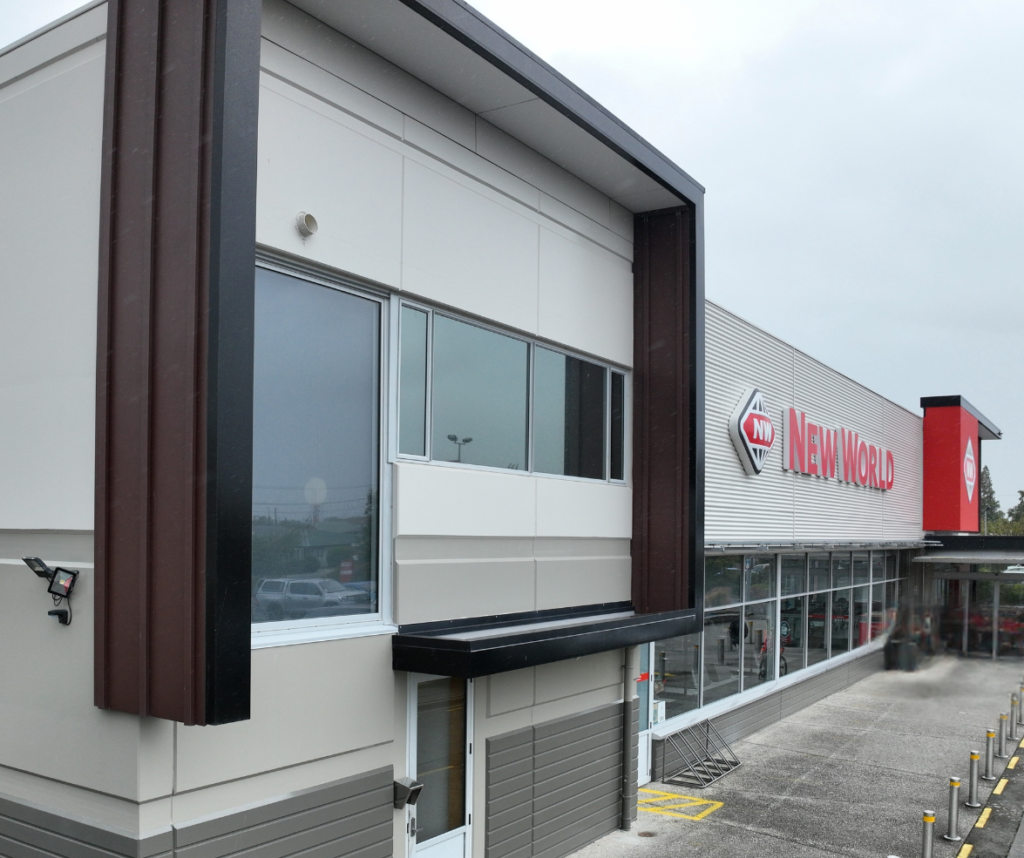
A recent building fabric assessment identified responses ranging from routine maintenance and short-term roof repairs through to lifecycle replacement and more substantial recladding options. Further investigation was recommended where concealed structural damage required confirmation before the remediation scope could be established.
From ageing assets to capital strategy
The objective is to move from a collection of ageing buildings to an understood and prioritised investment programme.
At portfolio level, consistent assessment provides visibility of condition, emerging liabilities and relative priorities. At individual asset level, independent technical assessment can reduce uncertainty around significant problems and support a clear remediation strategy.
Together, these perspectives allow organisations to consider property investment in terms of whole-of-life value rather than isolated repair decisions.
Ageing property is therefore not simply an operational challenge. It is a long-term capital management issue.
The organisations best placed to manage it will be those that can see beyond today’s maintenance requirements and understand where future liabilities are emerging, which interventions are justified and when capital should be committed.