Managing Risk Across the Corporate Property Portfolio
Published on: 23/09/2026
For organisations responsible for large property portfolios, the challenge is rarely a lack of information. More often, it is determining what that information means at portfolio level — which risks are material, which assets warrant further investigation, and where capital and management attention should be directed.
As portfolios become larger and more geographically dispersed, a consistent and objective approach to understanding property risk becomes increasingly important.
From condition to material risk
Condition and risk are related, but they are not the same thing.
An asset can contain defects without presenting a significant immediate organisational risk. Conversely, a relatively minor condition issue may become material because of operational importance, the consequences of failure or the scale of future expenditure required.
The important question is therefore not simply which buildings have defects, but which assets represent the greatest combination of condition, consequence, operational dependency and future liability.
A structured portfolio assessment can provide this first layer of intelligence, establishing where risks are concentrated and which assets warrant closer consideration.
Prioritisation is a capital decision
Once risks are visible, the more difficult question is what to do with them.
Capital is finite, and most portfolios contain more maintenance, renewal and improvement requirements than can be addressed simultaneously. Prioritisation therefore becomes a capital allocation exercise rather than simply a technical exercise.
The decision needs to consider factors such as consequence, operational criticality, timing, likely intervention cost and the asset’s longer-term role within the portfolio.
The objective is not to create a list of defects. It is to establish a defensible basis for deciding where attention and investment should be focused first.
The value of independent evidence
Internal property teams hold valuable operational and historical knowledge. However, significant property decisions can also be influenced by operational pressures, historic investment decisions and established assumptions about an asset.
Independent assessment provides a mechanism for testing those assumptions against consistent technical evidence.
For significant property risks and capital decisions, an external assessment can provide objectivity, consistency and challenge, while also creating greater assurance for senior management and governance teams.
This does not replace internal expertise. It complements it by combining operational knowledge with independent evidence.
From priority risk to remediation strategy
Portfolio-level assessment can identify where risk and uncertainty warrant attention. It cannot always determine the appropriate intervention.
A detailed fabric assessment may then be required to establish the nature, extent and implications of a problem. The response could range from planned maintenance through to repair, staged remediation, renewal or replacement.
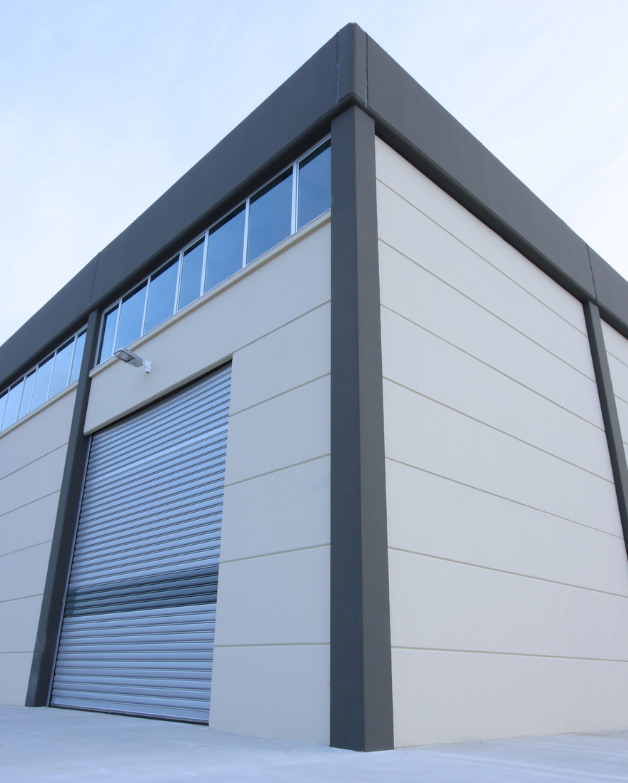
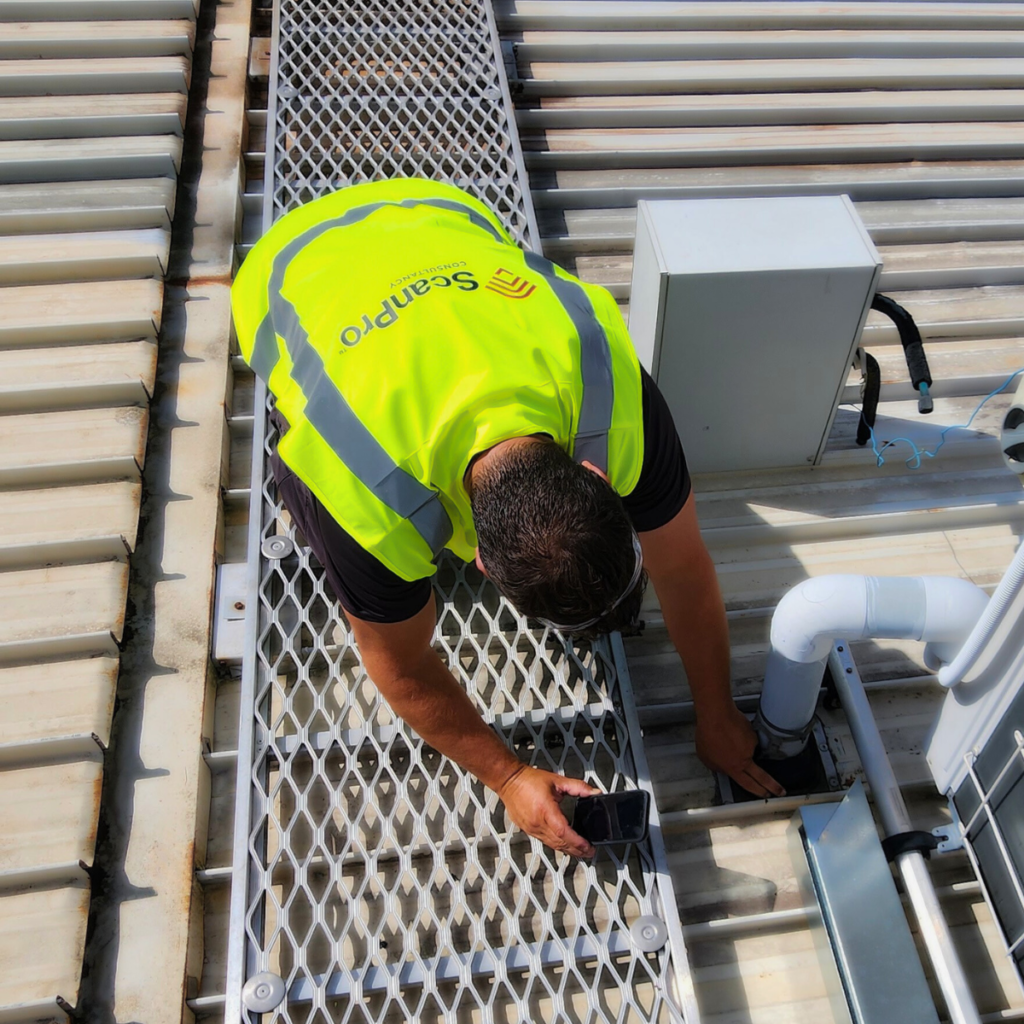
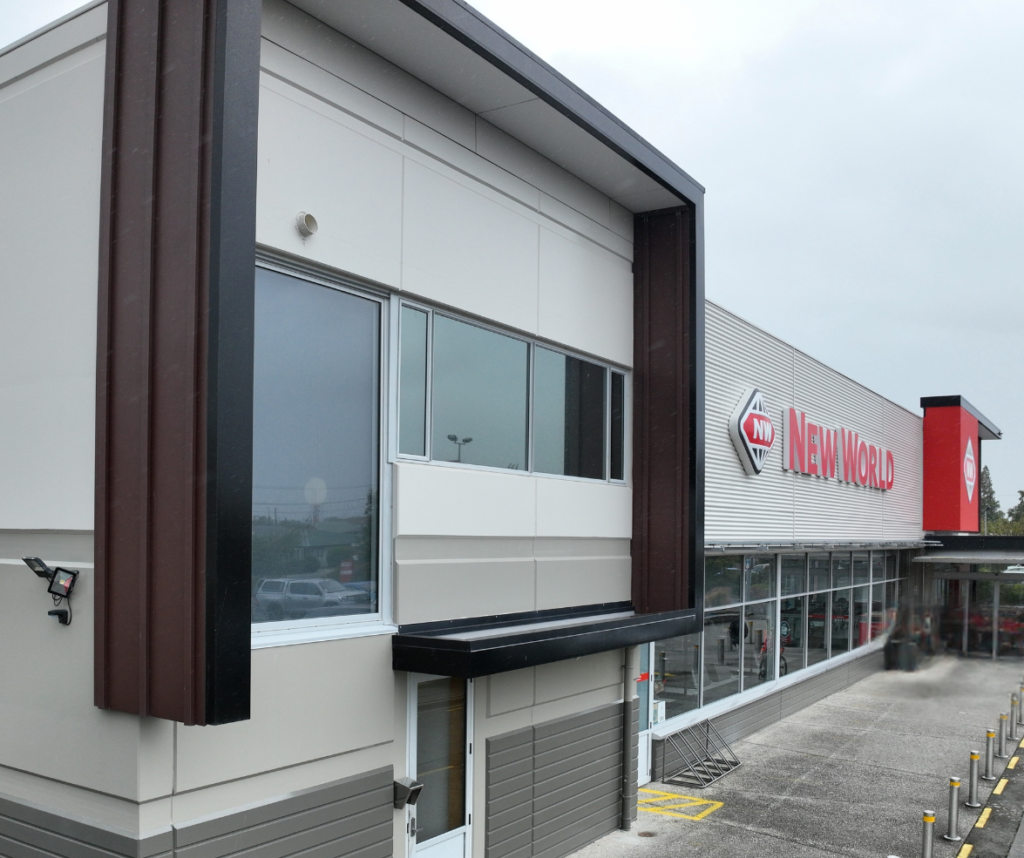
A recent building fabric assessment demonstrates this progression. Recommendations ranged from planned maintenance and short-term repairs through to lifecycle replacement and more substantial recladding options, with further investigation identified where the extent of underlying damage needed to be established.
A clear, costed remediation strategy can therefore reduce uncertainty between identifying a problem and committing capital to a response.
For national property owners, the objective is to connect these levels of information:
Understand the portfolio → prioritise material risk → investigate where necessary → establish the appropriate intervention → allocate capital with greater confidence.
Better property intelligence is ultimately not about knowing more about buildings for its own sake. It is about making better decisions regarding risk, investment and long-term asset value.
For organisations with substantial property holdings, ageing assets create a challenge that extends well beyond routine maintenance. Lifecycle requirements emerge...
Regular building inspections provide a proactive, structured approach to identifying risks early, supporting health and safety compliance, and protecting the...