Regular walk-throughs and quick façade reviews give a comforting sense of control—but they seldom reveal the true state of a building.
Sub-surface moisture, concealed corrosion, and micro-cracks can develop for months (or years) before any tell-tale stain reaches the surface. Left undetected, these hidden issues drive up repair costs, disrupt operations, and shorten a building’s service life.
The sections below explain why surface-level assessments fall short—and how thorough subsurface structural inspections using advanced diagnostic tools, supported by clear reporting and routine follow-ups, eliminate hidden risks.
Cosmetic Presentation Can Conceal Early Warning Sign
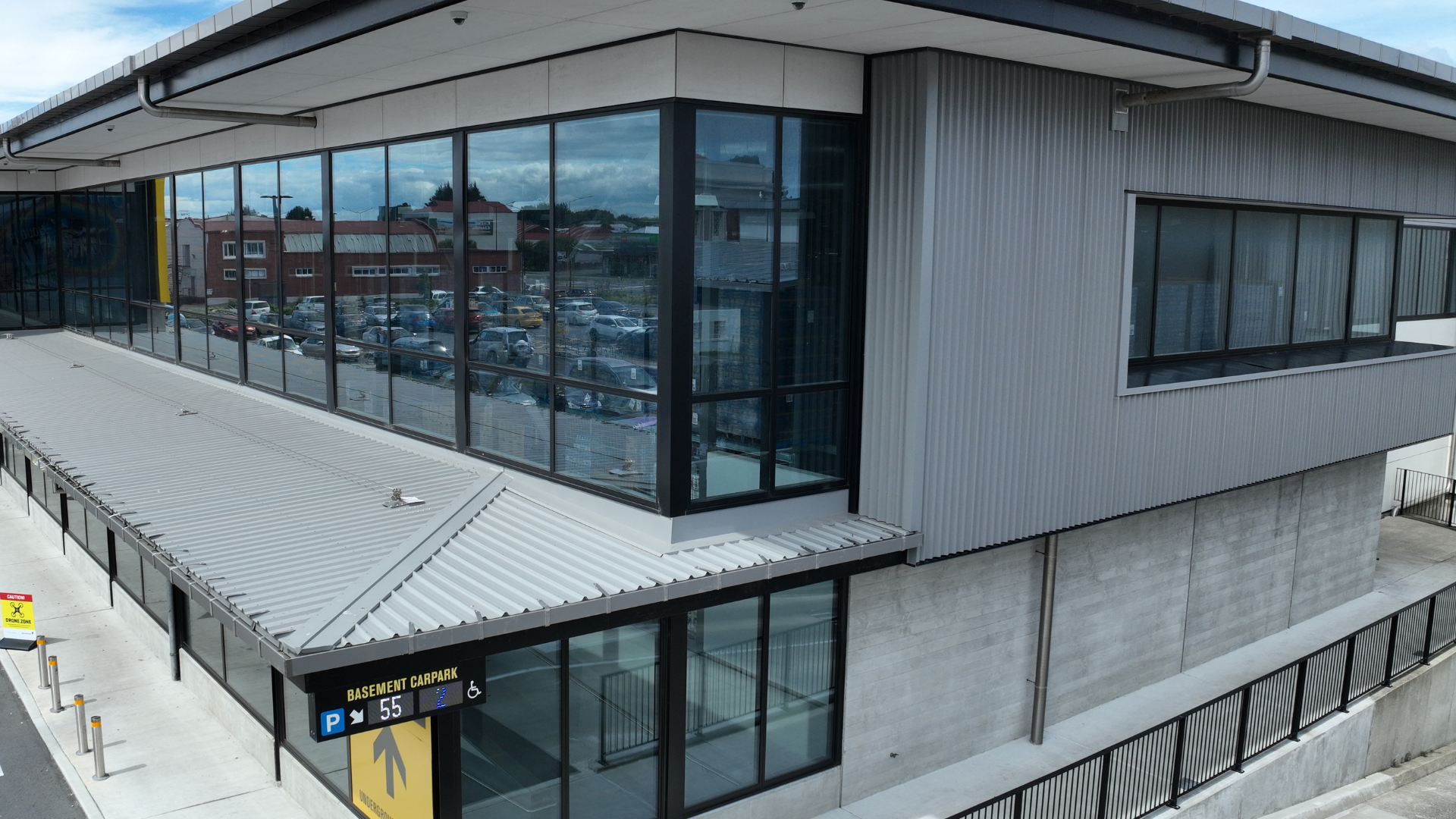
A pristine paint finish or freshly washed roofline may hide moisture ingress, joint breakdown, or coating fatigue invisible from the ground. By the time bubbling paint or hairline cracking appears, the substrate can already be weakened, driving rot, corrosion, or delamination. Spotting these risks early protects both budgets and occupants.
Defects Beneath the Surface Often Go Unnoticed
Hidden deterioration rarely follows a straight line. Water vapour travels along fixings and condenses in cooler cavities; steel fasteners corrode out of sight; micro-cracks expand and contract with daily temperature swings. Reactive maintenance then treats only the symptoms—peeling paint or localised leaks—while the root cause continues to spread. Under-cladding assessments and moisture mapping expose these issues before they demand intrusive, high-cost remediation.
Specialist Diagnostics Provide Objective Evidence
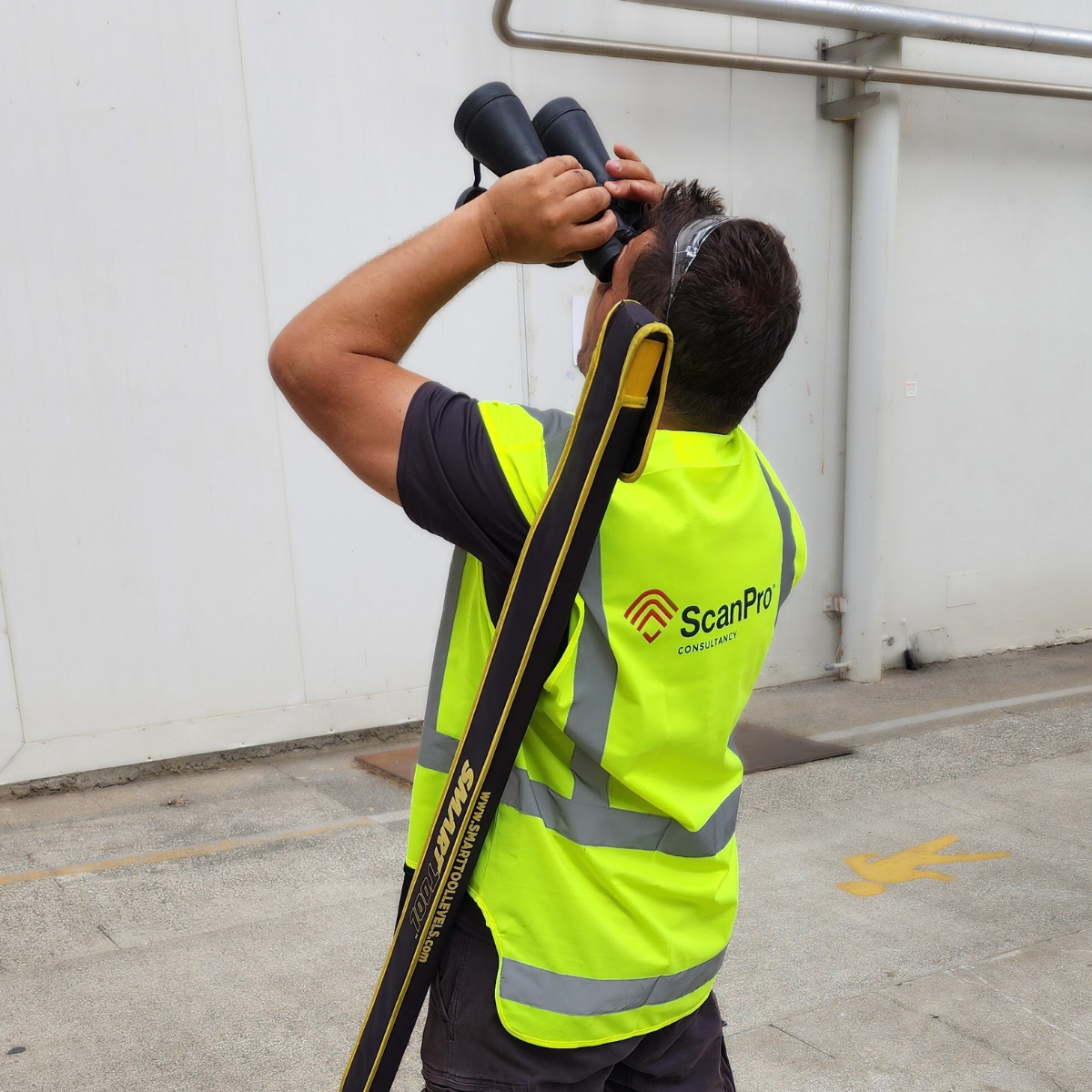
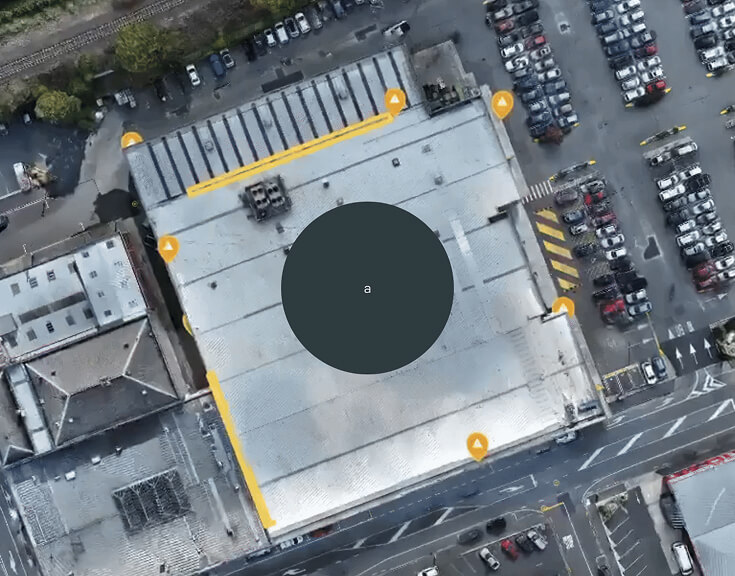
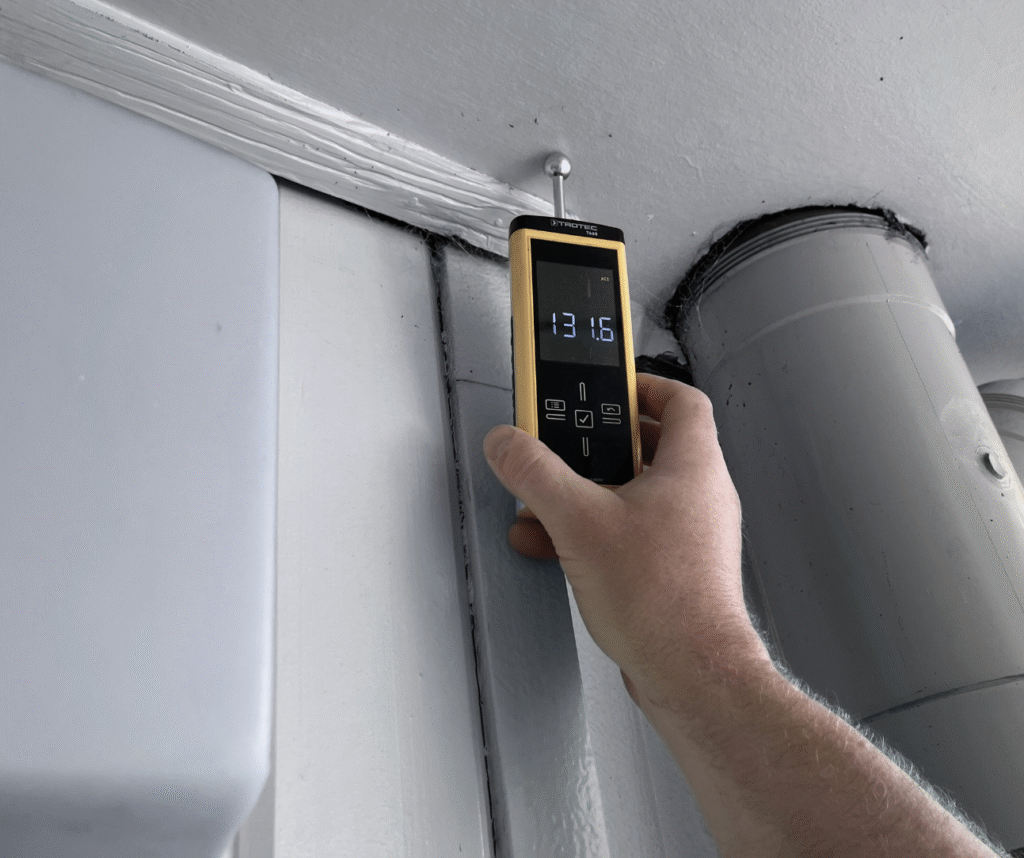
Drones, thermal cameras, and moisture meters extend an inspector’s reach far beyond the limits of human eyesight. High-resolution imagery captures parapet junctions; thermal scans highlight cold spots that flag trapped water; capacitance readings quantify moisture in wall assemblies. Recorded against a standard condition scale, these metrics establish a baseline for future comparisons—without disrupting day-to-day operations.
Turning Hidden Risks into Plans: The Role of Reporting
Data loses value if it sits in siloed spreadsheets or disjointed photo folders. Structured inspection reports turn evidence into action: severity ratings highlight urgent items, cost bands translate technical faults into financial language, and annotated imagery pinpoints exactly where remedial work is needed. With a common template across every site, managers can rank risks, justify budget allocations, and brief boards with confidence.
Routine Assessments:
A Better Defence Than Visual Spot Checks
Buildings breathe, flex, and weather daily, so a single diagnostic snapshot is never enough. Scheduled re-inspections verify repairs, track deterioration rates, and capture new vulnerabilities as the building ages or climate stresses shift. Over time, this consistent data reveals performance trends—allowing maintenance teams to forecast expenditure, plan capital works, and avoid the spiralling costs that accompany surprise failures.
A building’s appearance tells only part of the story. By pairing specialist diagnostics with disciplined reporting and regular follow-ups, property managers replace uncertainty with insight—and move from reactive fixes to strategic asset stewardship.