
Large portfolios demand a bird’s-eye view of every asset’s condition—yet each building also carries its own weather exposure, occupant load, and maintenance history.
Without a uniform approach to inspections and reporting, property managers are left stitching together disconnected data points, making it hard to spot emerging risks or defend budget requests. Consistent, standardised reporting turns that patchwork into a single, actionable picture.
The Challenge of Managing Multiple Properties
Geographic spread, varied building ages, and differing service providers often mean every site is inspected in a slightly different way. One region might focus on moisture readings, while another relies on visual checks only. The result is a stack of reports that can’t be compared like-for-like.
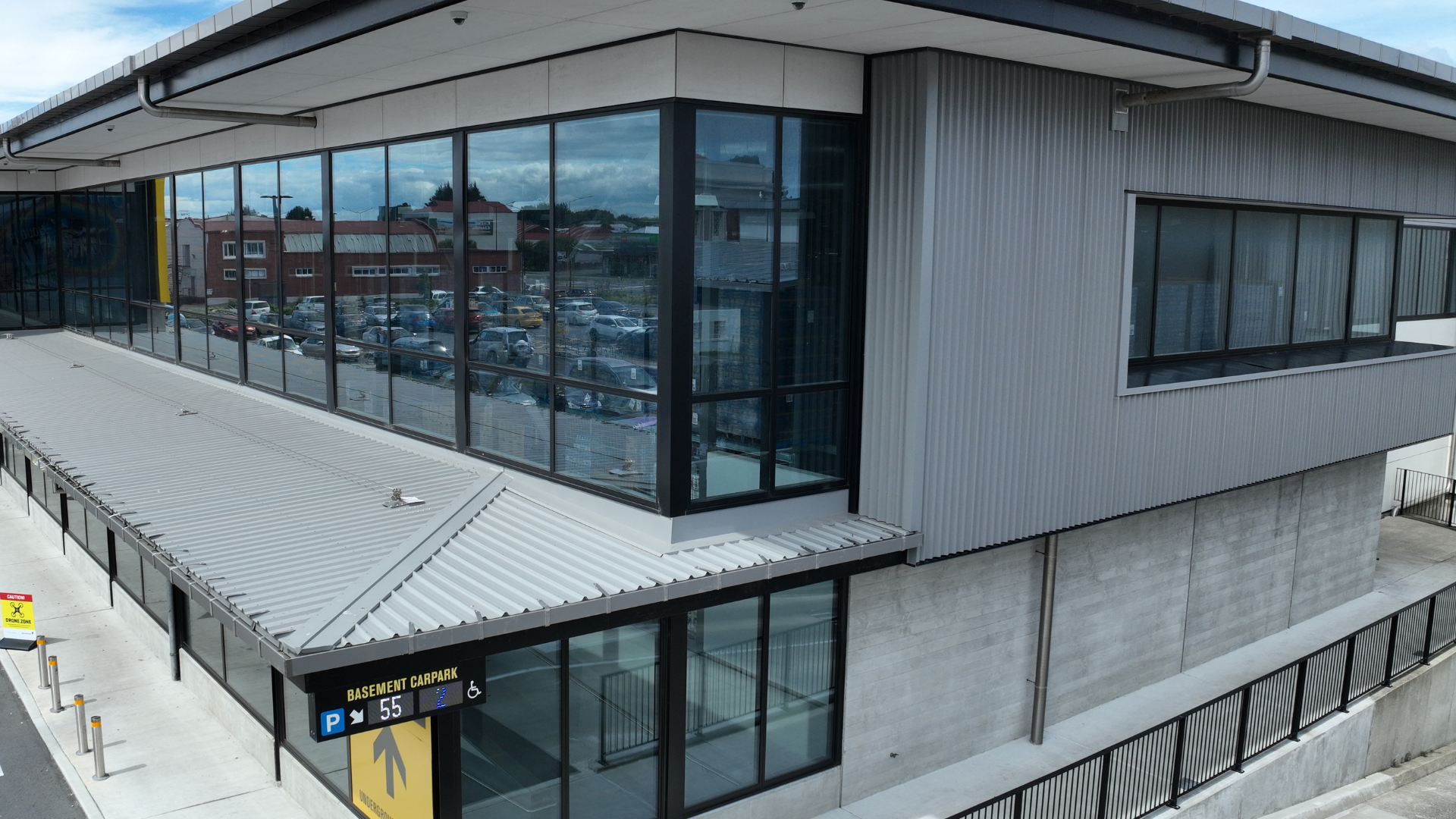
When formats, terminology, or grading scales differ, the true condition of the portfolio stays hidden, and recurring defects—such as façade sealant failure in coastal zones—may slip through the cracks. Managers risk funnelling resources to the loudest problem rather than the most critical one.
The Power of Standardised Inspections
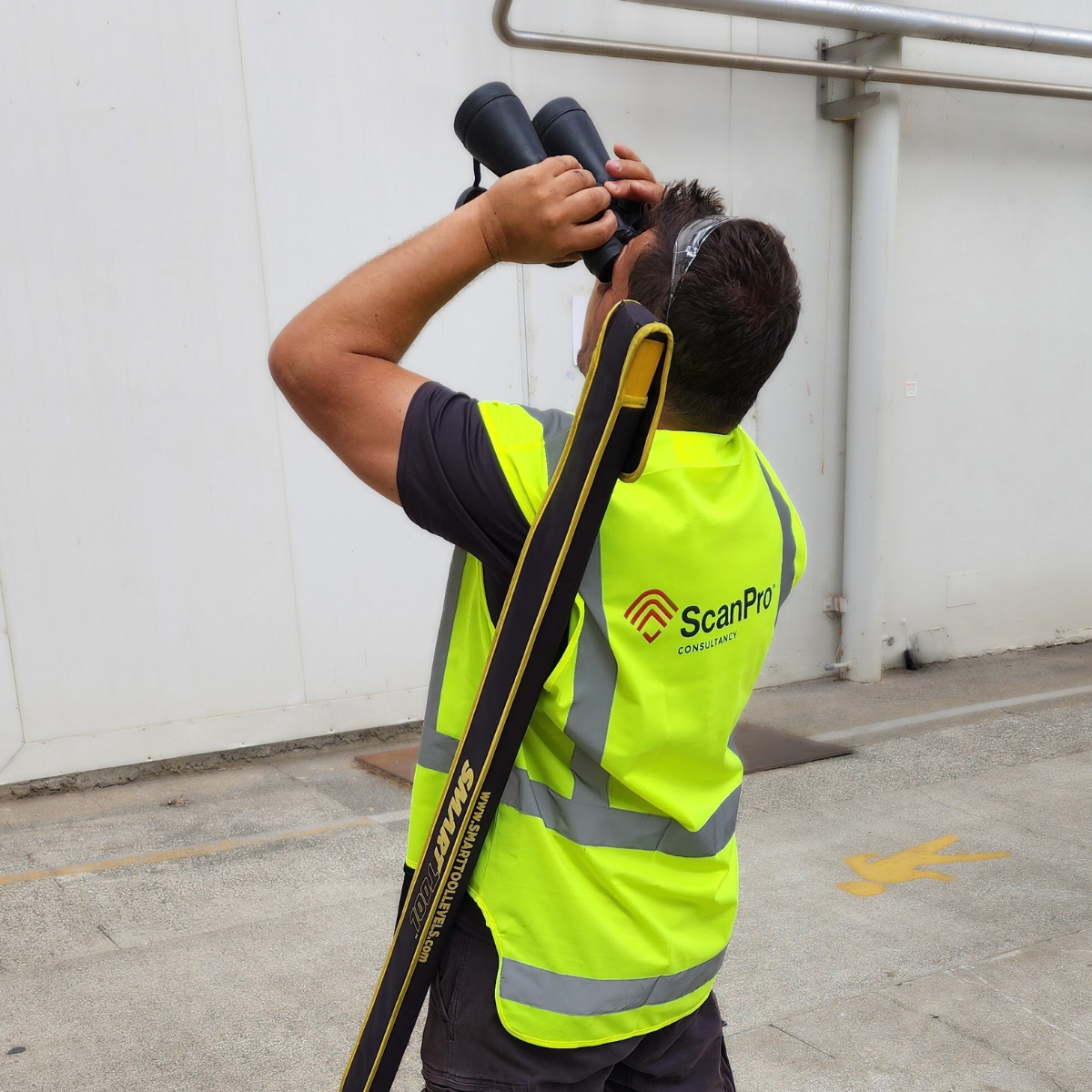
Applying the same inspection framework across every location eliminates guesswork. Checklists calibrated to building type and climate ensure that moisture probes, drone imagery, and close-range testing are performed in the same way from Auckland to Invercargill. Year-on-year data can then be plotted to reveal deterioration rates or the impact of remedial works.
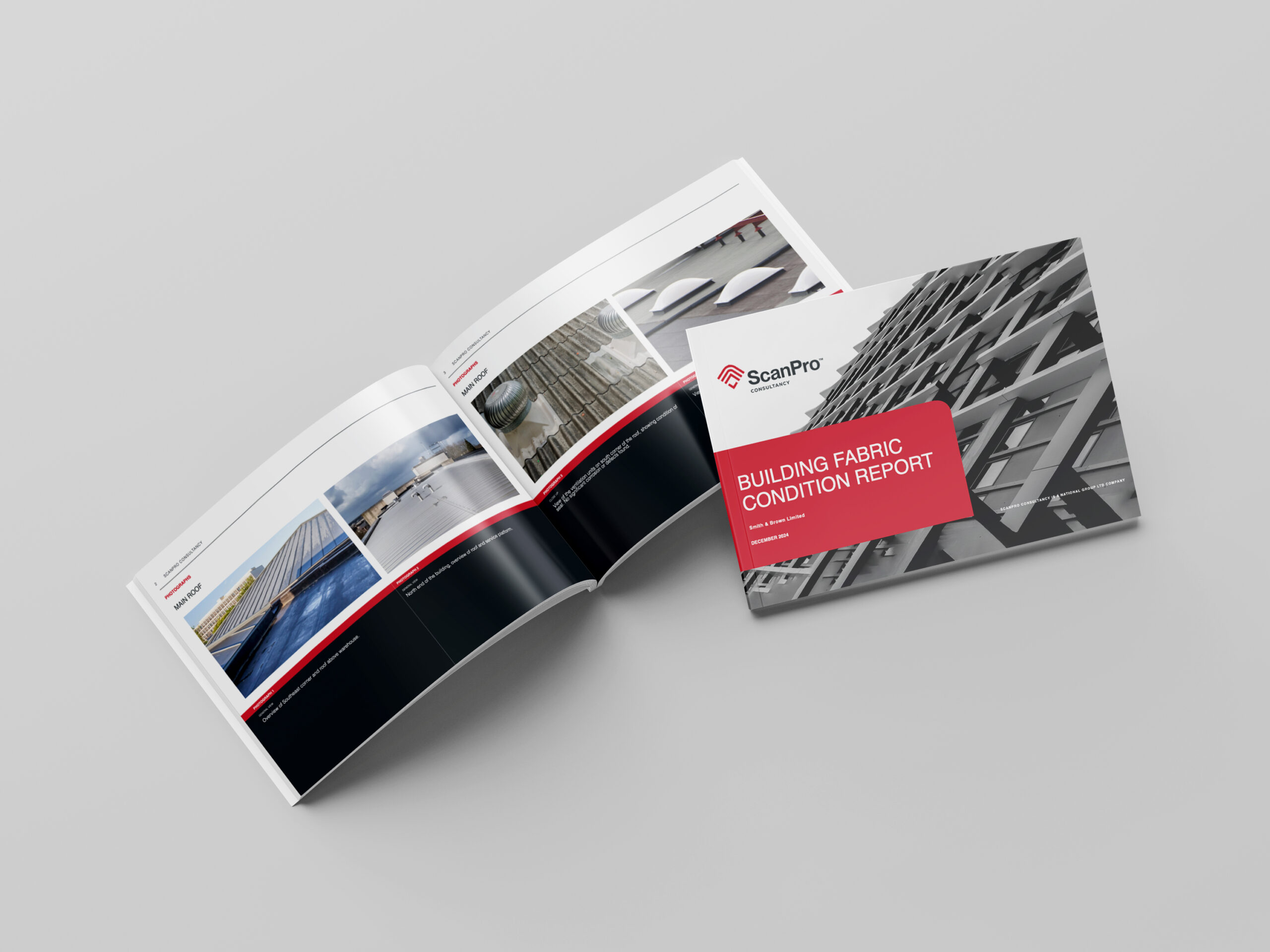
Visual evidence—annotated photographs, thermal scans, moisture maps—supports each finding, while estimated cost bands translate technical faults into budget language finance teams understand. Standardisation converts a collection of individual site reports into a reliable decision dashboard.
Identifying Trends and Prioritising Risk
When data sets are consistent, patterns emerge quickly: repeated flashing failures on the same cladding profile, or corrosion hotspots tied to coastal exposure. Portfolio dashboards rank defects by severity, probability of escalation, and repair cost, making it clear where limited funds will deliver the greatest risk reduction.
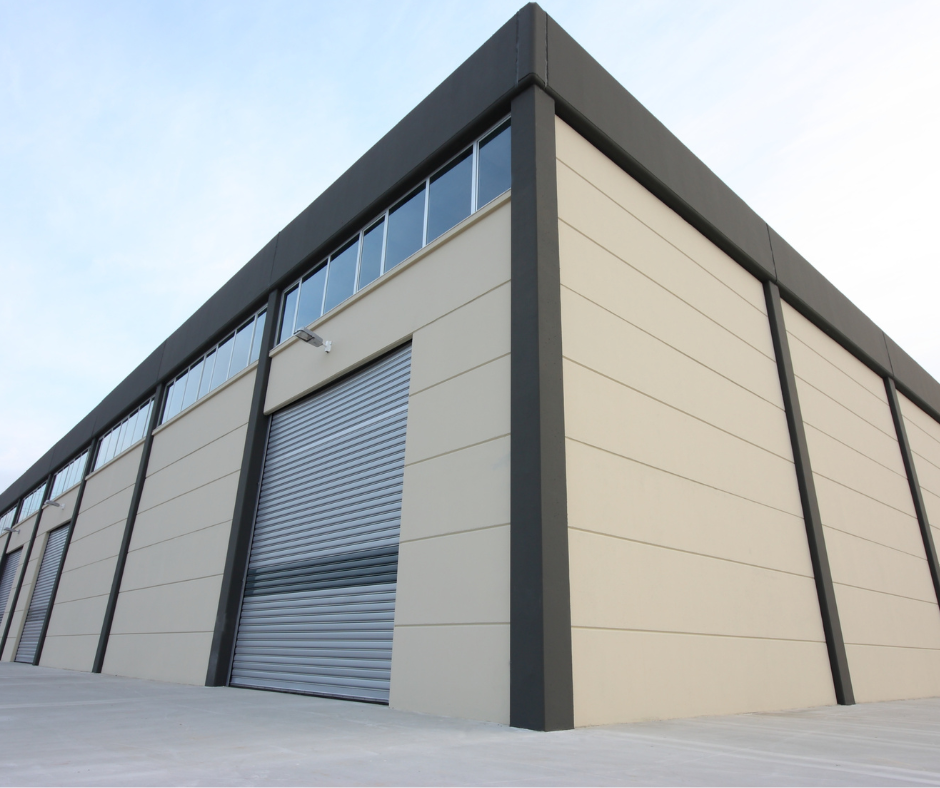
Instead of allocating budgets by square metre or historical spend, managers can channel resources toward high-impact remediation and defer cosmetic works that add little value.
Evidence-backed prioritisation also streamlines capital-planning conversations by showing exactly why one region needs immediate attention while another can wait a budget cycle.
Consistency Enables Smarter Planning
Uniform reporting creates a common language for facilities teams, finance, and executive boards. Maintenance roadmaps become clearer because the timing of envelope repaints, roof replacements, or sealant renewal is plotted against real condition data, not conjecture.
Stakeholder briefings move from reactive explanations of sudden failures to proactive discussions on funding cycles and return on investment. Most importantly, unexpected outages are reduced: managers who track defects consistently can schedule interventions before small leaks trigger interior damage, or hairline cracks evolve into structural concerns. In short, consistent inspections replace surprise costs with evidence-based foresight—protecting budgets, building performance, and stakeholder confidence across the entire portfolio.